A. Neuro-Somatic and Mind-Body Practices
The Mind Does Not Experience Stress Alone
Mental wellbeing is never only about thoughts. Stress changes the way we breathe. It changes sleep. It affects concentration, muscle tension, digestion, energy, motivation and the way we react to people around us. An anxious thought can make the heart race. A tense body can make the mind feel unsafe. Poor sleep can make emotions harder to manage the following day. And when this continues for weeks or months, people often reach a point where they know something needs to change but do not know where to begin.
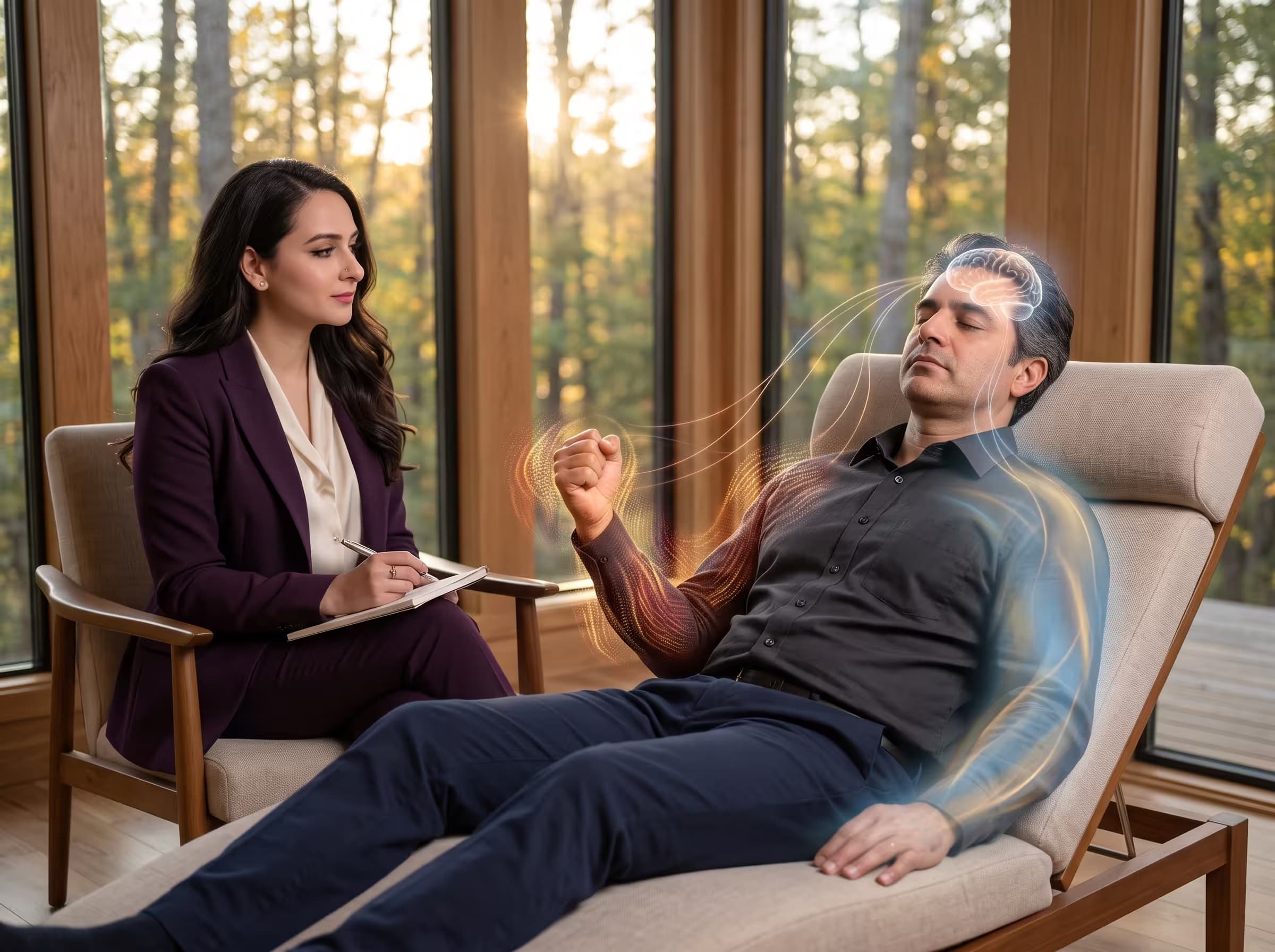
This is why I work with the mind and body together. Neuro somatic and mind body practices use attention, breathing, movement, relaxation, sensory awareness, emotional awareness, imagery, lifestyle patterns and conscious behavioural change to help a person regulate stress more effectively and develop healthier responses. Some people come looking for help with constant overthinking. Some are exhausted from prolonged stress. Some struggle with panic sensations. Others cannot sleep properly, feel emotionally overwhelmed, have lost confidence, are eating in response to stress or simply feel disconnected from themselves. The technique is never the starting point for me. The person is.
I first look at what is happening in the mind, what is happening in the body, what patterns keep repeating and what the support seeker wants to change. The right practices are then chosen around that person.
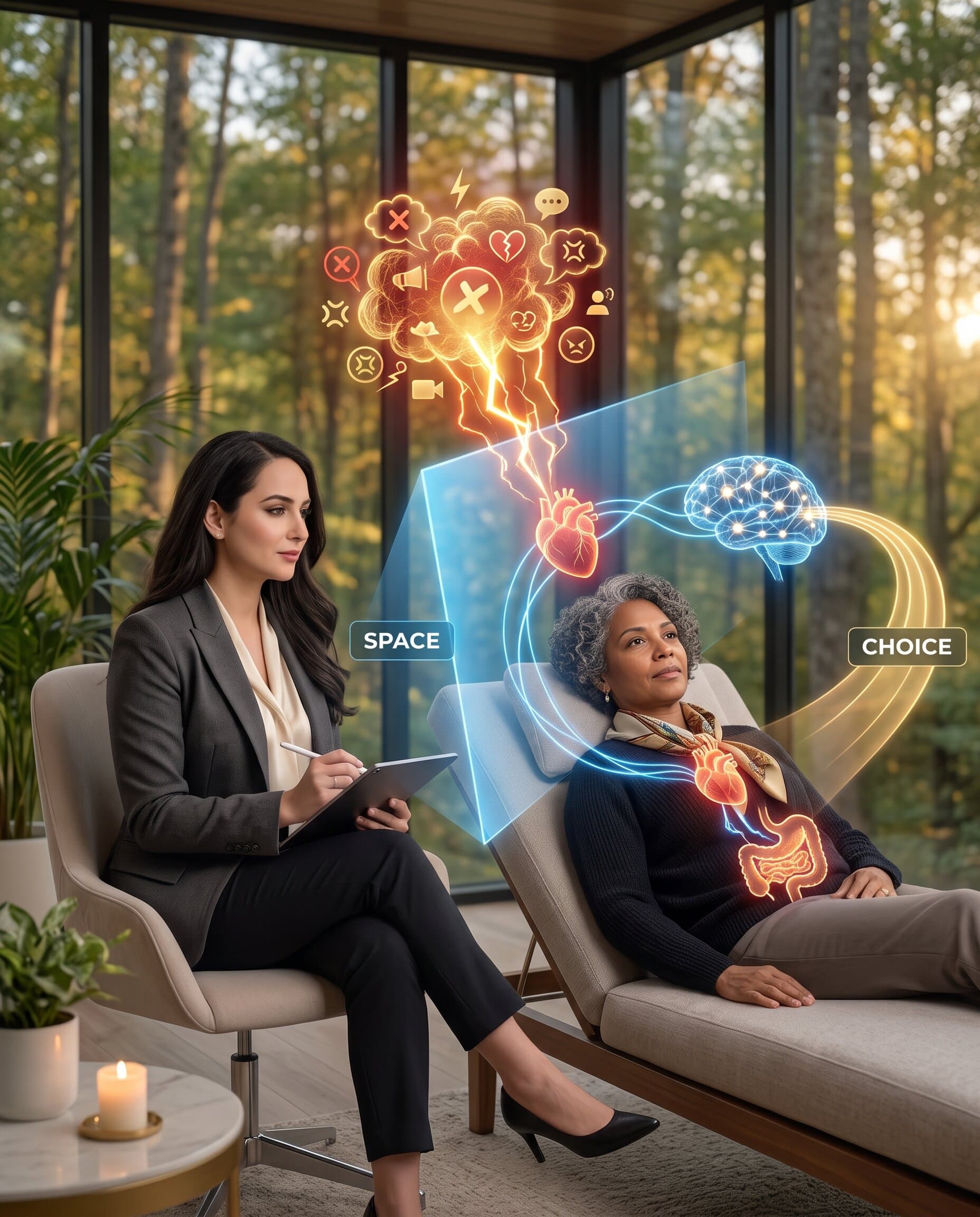
I bring together top-down approaches which work with attention, interpretation, cognitive reflection, and conscious choice with bottom-up approaches, which work directly with breathing, bodily awareness, physiological arousal, sensory experience, and learned automatic nervous system responses. Bringing these together ensures we are not relying on conscious thinking alone to solve somatic or habitual stress patterns. This forms an important part of my broader Pro Consciousness approach to mental wellness.
The aim is greater awareness of what is happening inside you so that automatic thoughts, emotions, body reactions and behaviours no longer have to make every decision for you.
When These Practices Are Most Useful
Neuro somatic and mind body approaches are particularly useful for people dealing with persistent stress, overthinking, nervous tension, anxiety symptoms, emotional overwhelm, difficulty winding down, sleep disturbance, reduced concentration, burnout, low confidence, performance pressure, stress related eating and difficulty recovering after demanding experiences.
They are equally useful for people who are functioning well but want stronger emotional regulation, greater self awareness, better concentration, improved recovery and a more sustainable way of handling pressure. When a diagnosed mental health condition is present, these practices can form part of complementary wellbeing support alongside the person's appropriate professional healthcare.
My Pro Consciousness Approach
I use the term Pro Consciousness to describe an integrative way of working that places awareness at the centre of change. Much of human behaviour happens automatically. We react. We avoid. We worry. We repeat. We overthink. We reach for familiar coping patterns before consciously deciding whether they are helping us. Pro Consciousness work slows this process down. The support seeker begins to recognise what they think, what they feel, what happens in the body, what triggers the reaction, what behaviour usually follows, and what alternative response is available. This is not about monitoring yourself every minute. It is about developing enough awareness to have greater choice. The scientific foundations come from established areas including attention, mindfulness, metacognition, emotional regulation, behavioural learning, interoception, relaxation and mind body research. Pro Consciousness is the integrative framework through which I bring these principles together around the individual.
How I Choose an Approach for a Support Seeker
I do not believe someone should have to arrive at a consultation knowing which technique they need. That is not their job. A person may come because they cannot sleep. But the sleep difficulty may be linked with overthinking. The overthinking may intensify because of stress. Stress may be affecting breathing and muscular tension. Poor sleep may then make emotional regulation harder the following day. Treating each part as completely separate misses the pattern. My work begins with understanding the pattern. What is happening now. What keeps repeating. When it started. What makes it worse. What gives relief. How the body responds. How the mind responds. What the support seeker wants to change. From there, an integrative approach can be built around the person.
What These Practices Commonly Support
The approaches on this page are widely used within holistic mental wellness for stress regulation, persistent worry, overthinking, emotional overwhelm, anxiety symptoms, panic related sensations, nervous tension, sleep difficulties, burnout, low confidence, perfectionism, performance pressure, repetitive habits, stress related eating, emotional reactivity, difficulty concentrating and recovery during demanding periods of life. They also support people who simply want to improve resilience, self awareness, attention, emotional regulation and the way they respond to pressure. The presence of a psychiatric or medical diagnosis does not automatically exclude mind body wellbeing work. In those situations, the role is complementary. The support seeker continues appropriate healthcare while holistic practices assist with areas such as stress regulation, sleep, coping, routine, emotional awareness and everyday wellbeing.
A Different Way of Thinking About Mental Wellness
People often ask which technique is best. I do not think that is the most useful question. The better question is Which practice is right for this person, for this problem, at this point in their life? Mental wellness is not built through one breathing exercise. It is not created by meditation alone. It does not come from endlessly analysing the past. And it is not achieved by pretending difficult emotions are positive. Real change usually comes from several things beginning to work together. Awareness. Understanding. Regulation. Practice. Behaviour. Lifestyle. Meaning. And repeated conscious choices. That is why I use an integrative approach. The objective is not simply to help a support seeker feel calmer during one session. It is to help them understand themselves well enough to carry useful skills back into everyday life.